


Have you ever wondered how some people make money online without ever selling a product of their own? The answer, in most cases, is one word: Affiliate Marketing. It’s one of the most popular ways to earn income online today, especially for beginners who don’t have a big budget or their own products to sell.
In this article, we’ll walk you through everything you need to know — from what affiliate marketing actually is, to how it works, how to start, and how to turn it into consistent income. We’ll also cover the most common mistakes beginners make, so you can avoid them from day one.
If you’re ready to start your affiliate marketing journey, let’s dive in.
What Is Affiliate Marketing?
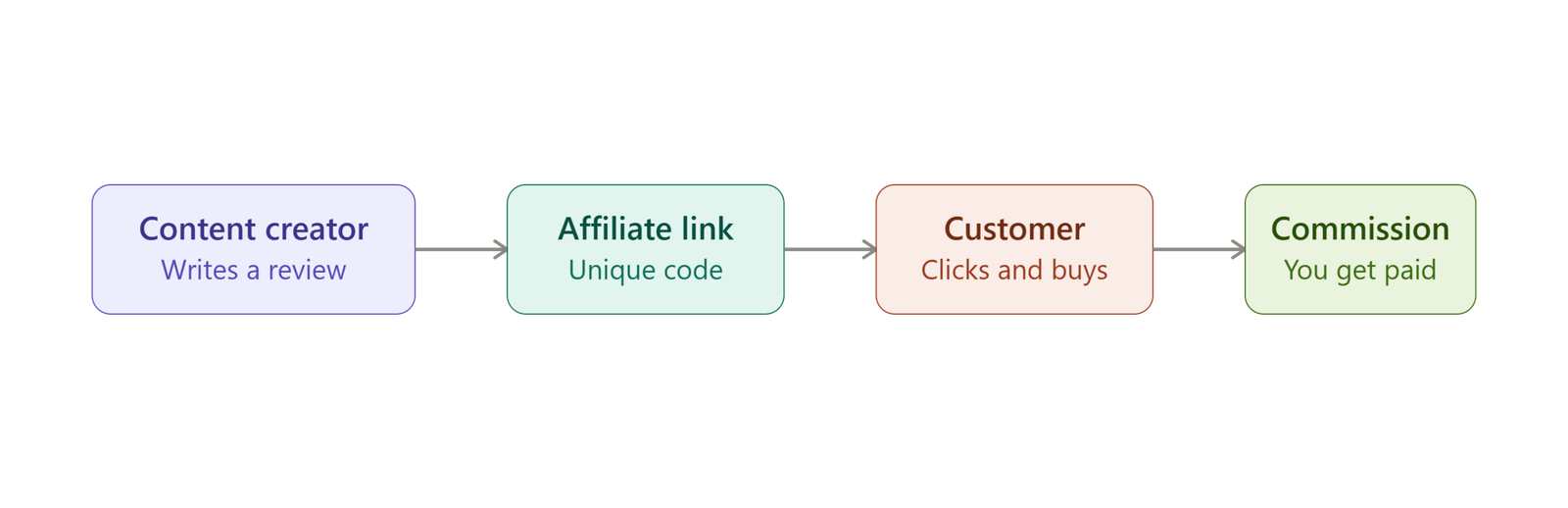
Affiliate marketing is a business model where you earn money by recommending other companies’ products or services. When someone makes a purchase through the unique link you shared, you earn a percentage of that sale — known as a commission.
Here’s the simplest way to break it down:
- You join an affiliate program run by a company (e.g., Amazon, ClickBank, ShareASale).
- The company gives you a unique affiliate link.
- You share that link on your website, blog, YouTube channel, Facebook, TikTok, or anywhere your audience is.
- When someone clicks your link and makes a purchase, you earn a commission — often anywhere from 5% to 50% of the product’s price.
The key thing to understand is that you don’t need to create the product, manage inventory, or handle customer service — the company takes care of all of that. Your job is simply to recommend and drive interested buyers their way.
How Affiliate Marketing Works
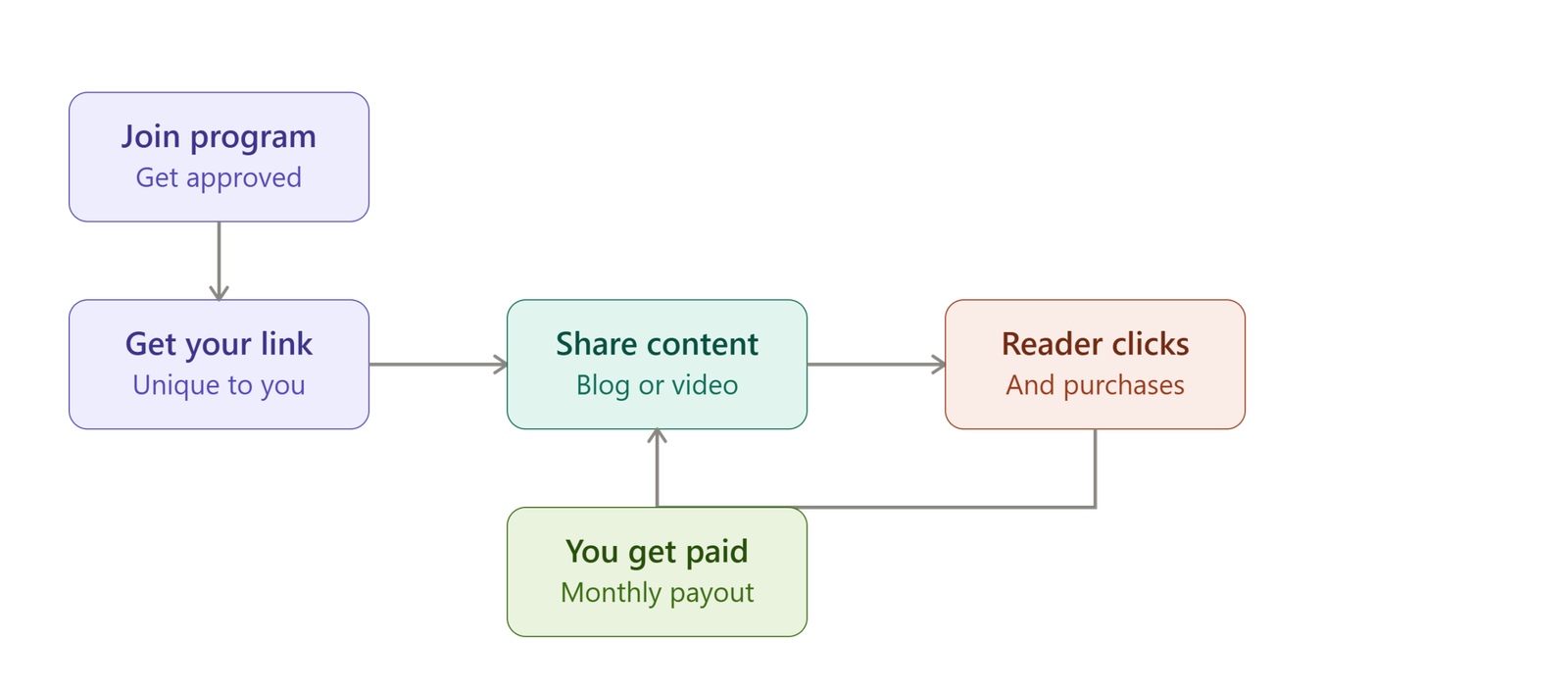
To fully understand this business model, let’s look at the process step by step:
1. A Website or Content Platform
First, you need a place to publish your content — this could be a website, blog, YouTube channel, or an Instagram/TikTok account with an engaged following.
2. The Affiliate Program
You join an affiliate program related to your niche (the topic you write about).
3. Your Unique Link
The company provides you with a unique link containing a code specific to you. This link is tracked using a “cookie” — which stays active for a set period (sometimes up to 90 days), crediting you for the sale even if it doesn’t happen immediately.
4. Content & Marketing
You write a review, guide, or create a video about the product, then include your affiliate link within it.
5. Clicks and Sales
When someone clicks your link and lands on the company’s site, if they make a purchase, the system recognizes that you referred them — and that’s where your commission comes from.
6. Getting Paid
Most programs pay out monthly, once you reach a minimum payout threshold, such as $50 or $100.
Why You Should Start Affiliate Marketing
There are many reasons people choose affiliate marketing over other business models:
- No large startup capital needed – You won’t pay for products, storage, or shipping. All you need is internet access and time.
- Work from anywhere – It’s a 100% remote, location-independent business.
- Passive income potential – Once you publish a post or video, it can keep earning you money long after you’ve stopped actively working on it.
- Flexible schedule – There are no fixed work hours; you manage your own time.
- Endless niches to choose from – You can pick from thousands of niches: health, tech, finance, fashion, and more.
Types of Affiliate Marketing
As you get started, it’s important to understand the different types of affiliate marketing so you can choose what fits you best:
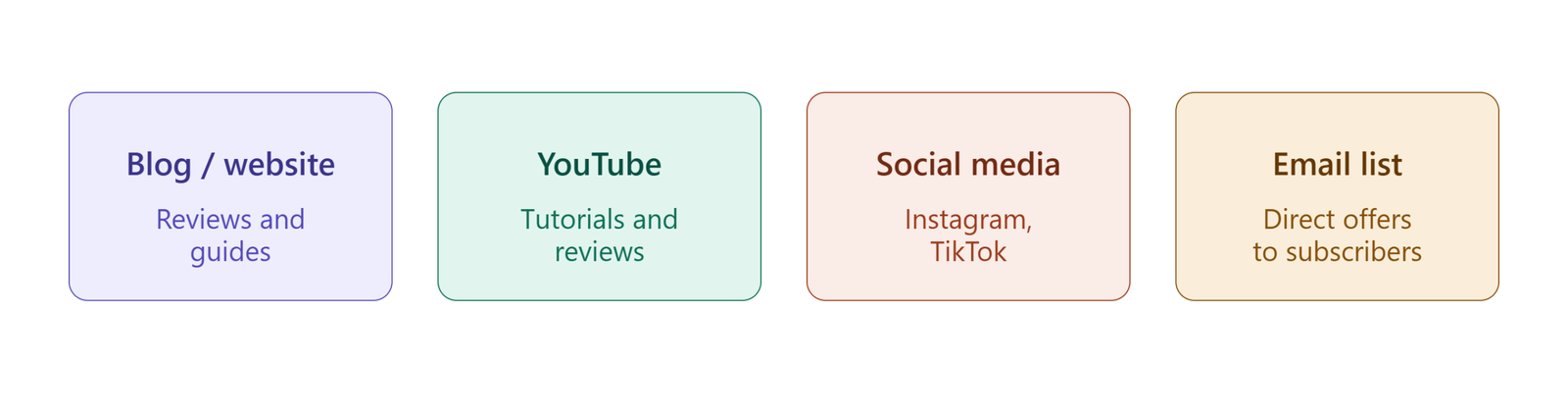
1. Content/Blog Affiliate Marketing
You write articles, reviews, and guides that include affiliate links. This is the most popular type, especially if you own a website like ezmakaffiliates.com.
2. YouTube Affiliate Marketing
You create review or tutorial videos, then add your links in the video description.
3. Social Media Affiliate Marketing
Instagram, TikTok, and Facebook can be used to drive people to the link in your bio.
4. Email Marketing Affiliate
If you have an email list, you can send offers and affiliate links directly to subscribers.
5. Paid Ads Affiliate Marketing
Some marketers use Facebook Ads or Google Ads to drive traffic to their links — but this requires experience and upfront budget.
How to Start Affiliate Marketing — Step by Step
Here’s a clear breakdown of exactly how to get started, even as a complete beginner:
Step 1: Choose a Niche You’re Interested In
Your niche is the topic you’ll create content around. It’s important to choose one that:
- You’re genuinely interested in or knowledgeable about
- Has a large audience actively looking for solutions
- Has affiliate programs available
Examples of good niches: fitness and health, tech (gadget reviews), personal finance, fashion, travel, and more.
Step 2: Build a Website or Platform
If you don’t have a website yet, it’s highly recommended you create one. A website allows you to build long-term, sustainable SEO traffic (visitors from Google), which turns into a steadier income stream over time.
Step 3: Join Affiliate Programs
Once your platform is set up, join affiliate programs related to your niche. The most popular ones include:
- Amazon Associates – great for reviewing almost any type of product
- ClickBank – ideal for digital products (courses, ebooks)
- ShareASale – a large network with hundreds of brands
- CJ Affiliate (Commission Junction) – major established brands
- Jumia Affiliate (if targeting African markets) – suited to the African market
Step 4: Create High-Quality Content
Your content should:
- Actually solve the problem your reader is searching for
- Be trustworthy (honest reviews, not exaggerated claims)
- Include SEO keywords so Google can find and rank it
Step 5: Add Affiliate Links Strategically
Don’t spam links everywhere — place them naturally, such as:
- Within the body of a review
- Near “Check Price” buttons
- In your article’s conclusion
Step 6: Grow Your Traffic
There are several ways to increase your traffic:
- SEO – Optimize your content so Google ranks it well
- Social Media – Share your content across platforms
- Email List – Build a subscriber list
- Pinterest – Especially effective for driving affiliate traffic
Step 7: Track and Optimize Your Results
Use tools like Google Analytics and your affiliate dashboards to see what’s working and what isn’t, then adjust accordingly.

How Much Money Can You Make with Affiliate Marketing?
This is one of the most common questions beginners ask. The answer depends on a few factors:
- The niche you choose – Some niches (like finance, insurance, software) pay significantly higher commissions.
- Your traffic volume – More visitors generally means more potential income.
- Audience trust – If people trust your recommendations, they’re more likely to buy.
- Time invested – Affiliate marketing is a business that grows with consistent effort.
In general, your first few months might bring in little to no income ($0–$100), but as you gain experience and grow your traffic, many affiliates reach $1,000–$10,000+ per month. Some full-time affiliate marketers even earn tens of thousands of dollars monthly.
It’s important to understand that this isn’t a “get-rich-quick” scheme — it requires patience, consistency, and real work.
Common Mistakes Beginners Make
To help you avoid the most common pitfalls, here’s a list to keep in mind:
- Choosing a niche that’s too broad or that you’re not interested in – Pick something you can stick with long-term.
- Dropping links without explanation – Readers want context and honest reasoning, not just a bare link.
- Ignoring SEO – Organic (free) traffic from Google is the most sustainable source of affiliate income.
- Expecting quick results – It can take 3–6 months before you see meaningful results.
- Not tracking analytics – If you don’t know what’s working, you can’t improve it.
- Relying on only one program – Use multiple affiliate programs so you’re not dependent on a single company.
- Lacking consistency – Regular publishing is one of the biggest keys to long-term success.

Tips for Affiliate Marketing Success
To turn affiliate marketing into a real success story, follow these tips:
- Be honest – Only recommend products you genuinely believe are worth it.
- Learn SEO – Understanding SEO basics will help Google send you free, ongoing traffic.
- Use images and video – Visual content boosts buyer confidence and engagement.
- Build an email list – It’s a long-term asset that isn’t dependent on any algorithm.
- Diversify – Don’t put all your income potential into one program or platform.
- Stay updated – The affiliate marketing industry changes constantly, so keep learning.
- Be patient – Success takes time — don’t give up in the first few months.
SEO and Affiliate Marketing — How They Work Together
SEO (Search Engine Optimization) is one of the best ways to get free, sustainable traffic. Here are the SEO basics every affiliate marketer should know:
1. Keyword Research
Use tools like Google Keyword Planner, Ubersuggest, or Ahrefs to find out what your audience is actually searching for.
2. Long-Form, High-Quality Content
Google favors thorough content (1,500+ words) that fully answers the reader’s question.
3. On-Page SEO
- Include your keyword in the title
- Use proper H2/H3 heading structure
- Add images with alt text
- Include internal and external links
4. Link Building
Try to earn backlinks from other websites — this boosts your site’s authority in Google’s eyes.
5. Site Speed
A fast-loading website is favored by Google, so invest in good hosting.
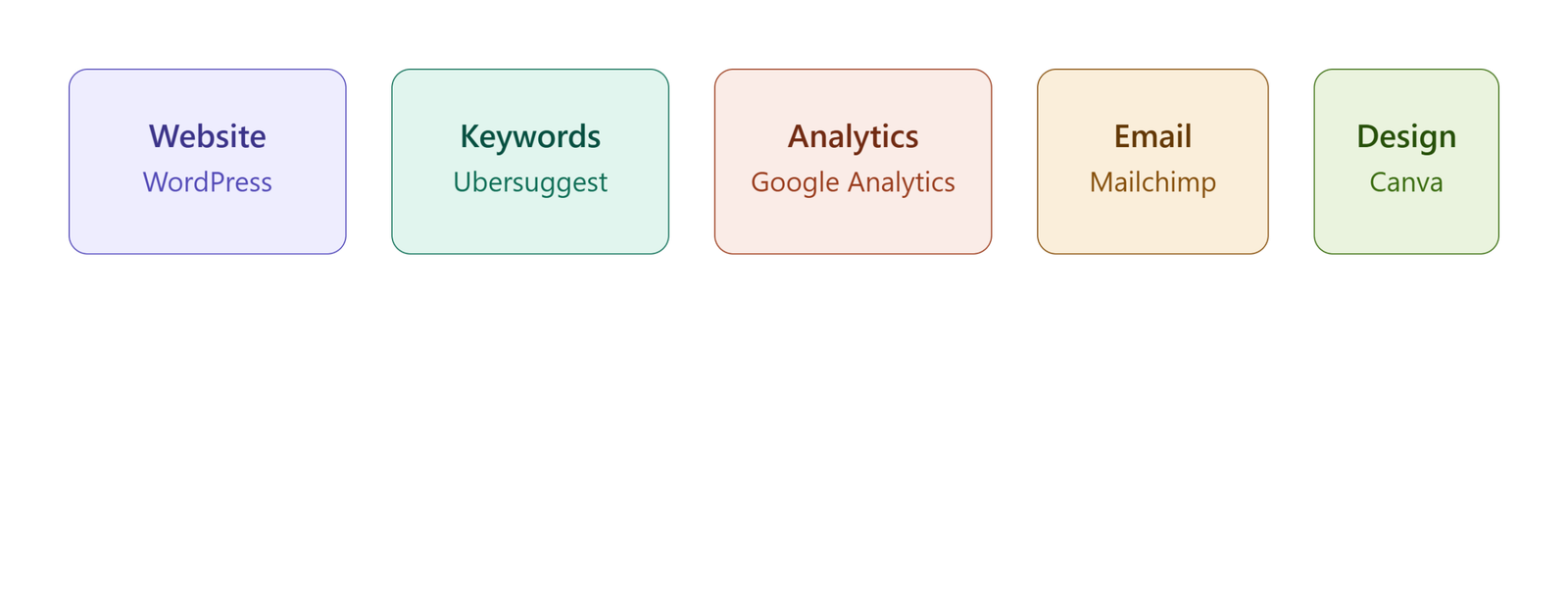
Tools You Need for Affiliate Marketing
- Website/Blog Platform: WordPress, Wix
- Keyword Research: Ubersuggest, Google Keyword Planner
- Analytics: Google Analytics, Google Search Console
- Email Marketing: Mailchimp, ConvertKit
- Design: Canva (for images and graphics)
- Link Management: Pretty Links, ThirstyAffiliates
Frequently Asked Questions (FAQ)
1. Do I need a website to start affiliate marketing?
No, you can start with social media platforms like Instagram or TikTok, but a website significantly boosts your SEO potential and long-term income stability.
2. How much money do I need to start affiliate marketing?
You can start with $0, especially if you use free social media platforms. If you want a website, costs typically start around $50–$100 per year (domain + hosting).
3. How long does it take to see results?
Most beginners start seeing meaningful traffic and income after 3–6 months, depending on content quality and consistency.
4. Which affiliate program is best for beginners?
Amazon Associates is popular and easy to join, but ClickBank and ShareASale are also great options as you gain more experience.
5. Do I need a large following to succeed?
No, it’s not required, but more followers/traffic does increase your income potential. You can start small and grow steadily.
6. How do I get affiliate links?
Once you join an affiliate program, their dashboard will give you a unique link to add to your content.
7. Is affiliate marketing a legitimate business?
Yes, it’s a legally recognized business model worldwide, but you must follow relevant laws and regulations (such as FTC disclosure requirements) related to advertising.
Conclusion
Affiliate marketing is one of the best ways to start an online business without needing significant startup capital. It requires patience, knowledge, and consistent effort, but if you follow the steps outlined here — from choosing your niche, to building a website, joining affiliate programs, and creating high-quality content — you can absolutely succeed.
Remember: affiliate marketing success doesn’t happen overnight, but it’s sustainable when built correctly. Start today, choose your niche, and begin your affiliate marketing journey!
Ready to get started? Visit [ezmakaffiliates.com] today for more in-depth guides on the best affiliate programs in 2026.
Don’t miss our newest affiliate marketing tips, SEO guides, and online income strategies. Subscribe to our newsletter and get notified whenever we publish a new article.