
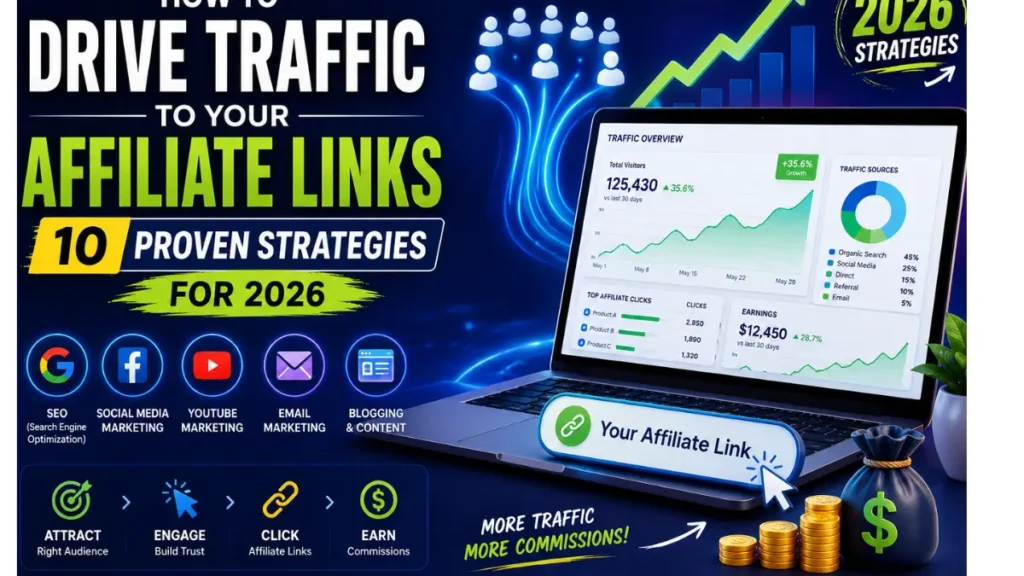

You can write the most detailed, honest, well-researched affiliate content in the world — but if nobody sees it, it won’t earn you a single commission. Traffic is the fuel that makes affiliate marketing work. Without visitors, even the best-converting niche and the highest-paying affiliate program in the world will produce exactly $0.
The good news is that driving traffic to your affiliate links doesn’t require a massive budget or a huge following to get started. It requires the right strategies, applied consistently, across the right channels for your specific niche and audience. Many beginners make the mistake of trying every channel at once, spreading themselves too thin to do any of them well — while more experienced affiliates tend to focus deeply on two or three channels that genuinely fit their content and audience.
In this guide, we’ll walk through 10 proven strategies for driving traffic to your affiliate content in 2026 — from free, long-term channels like SEO and Pinterest, to faster but more resource-intensive options like paid ads. We’ll also cover realistic timelines for each channel, the mistakes that quietly waste traffic-building effort, and the tools that help you track what’s actually working so you can double down on it.
Want to choose a profitable niche? Read our complete guide before you start building your affiliate website. https://ezmakaffiliates.com/how-to-choose-a-profitable-affiliate-marketing-niche/
Why Traffic Matters More Than Just Content
It’s tempting to believe that if you simply “write good content,” success will follow. But content alone is passive — it has no way of finding readers on its own. Traffic is the active half of the equation, and the two need to work together for either one to matter.
Consider two affiliate marketers with identical content quality. The first publishes an article and waits for readers to find it. The second publishes the same quality article, then actively promotes it across three or four channels — sharing it on Pinterest, turning it into a short video, and linking it in an email newsletter. Over a 12-month period, the second marketer will almost always out-earn the first by a wide margin, not because their content is better, but because more of the right people actually saw it.
This is also why niche selection and traffic strategy are so closely linked. A niche with strong search demand gives your SEO efforts something to work with, while a niche with an active social media community gives your social strategy a natural audience to tap into. Traffic strategy should be chosen to match where your specific audience already spends their time, not applied generically across every channel at once, since the same tactic that works brilliantly in one niche can fall completely flat in another.
New to affiliate marketing? Start with our beginner-friendly guide and learn the exact steps to build your first affiliate income online. https://ezmakaffiliates.com/affiliate-marketing-for-beginners-how-to-start/
Strategy 1: SEO Traffic — Ranking on Google for Free
Search engine optimization remains the single most valuable long-term traffic source for affiliate marketers, because it’s free, scalable, and compounds over time — an article you publish today can keep bringing visitors for years with minimal ongoing effort, unlike a social post that disappears from feeds within days.
To build sustainable SEO traffic:
- Target long-tail keywords first. Broad terms like “best laptop” are extremely competitive and dominated by huge publishers. Specific phrases like “best laptop for graphic design under $1000” have lower competition and higher buyer intent, since the searcher already knows exactly what they’re looking for.
- Structure content around search intent. Google rewards content that directly answers what the searcher is actually looking for — comparison posts for “vs” searches, listicles for “best” searches, and tutorials for “how to” searches. Matching the format to the intent behind the search is often more important than the writing quality alone.
- Build internal links between your own articles. This helps Google understand your site’s topical structure and keeps readers exploring more of your content, increasing both time-on-site and the odds of an eventual conversion.
- Earn backlinks over time. Guest posts, resource page mentions, and genuinely useful content that other sites want to reference all help build the domain authority Google rewards with higher rankings, which in turn makes it easier for future content to rank as well.
- Update older content regularly. Refreshing outdated statistics, broken links, and old screenshots on existing posts is often faster than writing new content, and search engines tend to favor freshly updated pages.
SEO traffic is slower to build than most other channels — often taking 3–6 months to show meaningful results, and sometimes longer in competitive niches — but it typically becomes your most reliable, lowest-effort traffic source once established, since a well-ranking article can keep converting readers for years without any additional work.

Strategy 2: Pinterest — An Underused Affiliate Traffic Goldmine
Pinterest functions more like a visual search engine than a traditional social network, which makes it uniquely suited to affiliate marketing. Pins can continue driving traffic for months or even years after being posted, unlike the short lifespan of a typical Instagram or Facebook post, which usually stops circulating within 24–48 hours.
To use Pinterest effectively:
- Create vertical, visually appealing pin graphics (ideally 1000x1500px) for each blog post or product review, since Pinterest’s algorithm favors this aspect ratio in search results.
- Write keyword-rich pin titles and descriptions, since Pinterest search behaves much more like Google search than like a typical social feed.
- Pin consistently — several times per week — rather than in occasional large bursts, since steady activity signals an active account to the algorithm.
- Create multiple pin designs for the same article over time, since different visuals can resonate with different segments of your audience and extend a single post’s reach.
- Link pins directly to your content, where readers can then click through to your affiliate links or product comparisons.
Niches like home decor, fashion, food, fitness, weddings, and DIY tend to perform exceptionally well on Pinterest, often outperforming other social platforms for affiliate click-through rates, thanks to the platform’s naturally high purchase intent among users actively planning projects or purchases.
Strategy 3: YouTube — Video Content That Keeps Converting
YouTube is the second-largest search engine in the world, and video content builds trust with viewers in a way text often can’t — seeing a real person use and explain a product tends to convert better than reading about it alone, since it removes much of the uncertainty a reader might feel about whether a review is genuine.
Effective YouTube affiliate strategies include:
- Product review and comparison videos, with links in the description and a spoken mention of where to find them.
- “How to” tutorials that naturally showcase a tool or product mid-video, rather than feeling like a forced advertisement.
- Unboxing and first-impressions videos for physical products, which tend to perform especially well in tech and gadget niches.
- “Day in the life” or behind-the-scenes content that organically features products you use and recommend.
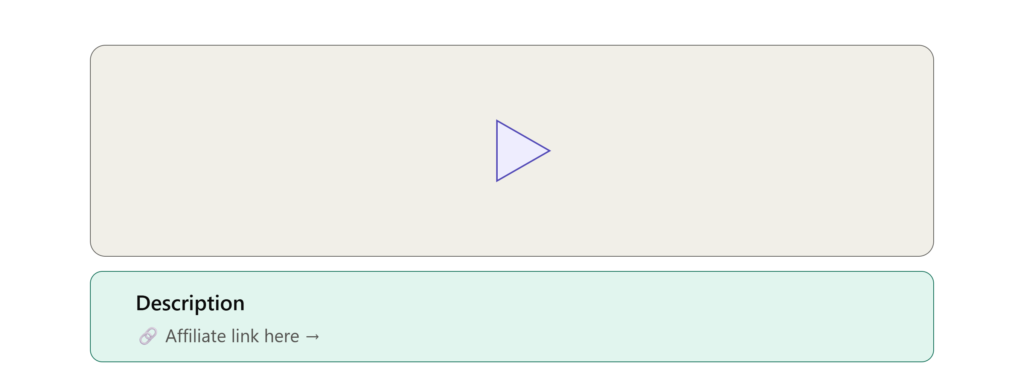
Like SEO, YouTube traffic compounds — a well-optimized video can continue attracting new viewers, and new clicks, for years after it’s published, especially if it ranks well within YouTube’s own search results for relevant terms. Make sure to include your affiliate link prominently in the video description, along with a verbal reminder in the video itself, since many viewers won’t scroll down to check the description unless prompted.
Strategy 4 & 5: Instagram and TikTok — Short-Form Social Traffic
Short-form video content on Instagram Reels and TikTok can generate fast bursts of traffic, particularly useful for newer sites still waiting for SEO to kick in and needing early momentum to validate a niche.
Strategy 4: Instagram Use Reels to demonstrate products in action, and keep your affiliate link (or link-in-bio tool, since Instagram limits clickable links in captions) updated and easy to find. Stories with swipe-up or link-sticker features can also drive direct traffic to specific offers. Carousel posts that walk through a comparison or “top 5” list tend to perform particularly well for affiliate content on this platform.
Strategy 5: TikTok TikTok’s algorithm can push content to large audiences even from brand-new accounts with zero followers, making it one of the fastest ways to test whether a product resonates with an audience before investing more time elsewhere. Authentic, unpolished content tends to outperform overly produced videos on this platform specifically — viewers respond well to genuine reactions and honest, casual reviews rather than heavily scripted advertisements.
Both platforms reward consistency and quick engagement in the first few minutes after posting, so timing and audience activity patterns matter more here than on slower-moving channels like a blog, where an article’s ranking builds gradually over weeks or months instead.
Strategy 6: Email Marketing — Your Most Controlled Traffic Channel
Unlike social media, where algorithm changes can suddenly tank your reach overnight, an email list is an asset you fully own and control. Every subscriber has already opted in, meaning they’re pre-qualified and generally more likely to convert than cold traffic arriving from a search engine or social feed for the first time.
To build and use an email list effectively:
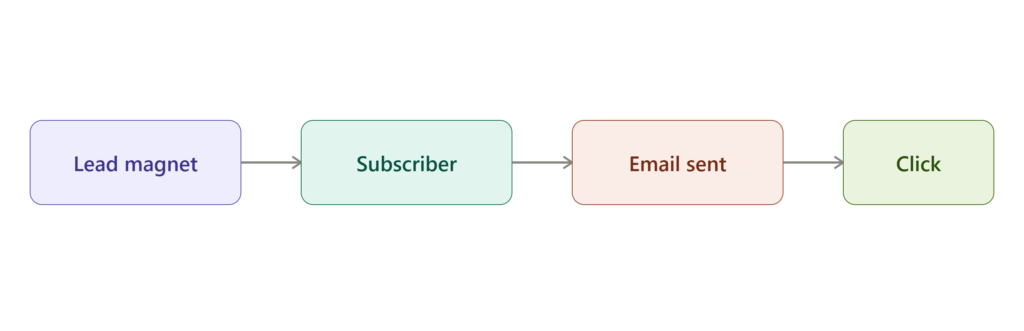
- Offer a lead magnet (free guide, checklist, or discount code) in exchange for an email signup, positioned prominently within your highest-traffic content.
- Send regular, valuable content — not just constant promotional links — to maintain trust and keep open rates healthy over the long run.
- Segment your list where possible, so subscribers receive offers relevant to their specific interests within your niche, rather than one generic blast to everyone.
- Use automated welcome sequences to introduce new subscribers to your best content and top affiliate recommendations right from the start, rather than waiting for them to discover it organically.
Even a modest list of a few thousand engaged subscribers can generate consistent, predictable affiliate income month after month, largely insulated from the algorithm changes that can disrupt social and even search traffic.
Strategy 7: Paid Ads — Faster Traffic, But With Trade-Offs
Facebook Ads and Google Ads can generate traffic almost immediately, unlike SEO or Pinterest, which take months to build momentum. This makes paid ads attractive for testing new content or products quickly, without waiting for organic channels to catch up.
However, paid traffic comes with real trade-offs:
- It requires upfront budget, and poorly optimized campaigns can lose money before you learn what actually works for your specific audience.
- Some affiliate programs explicitly prohibit certain types of paid promotion (like bidding on the brand’s own name in search ads), so always check individual program terms before launching a campaign.
- Traffic stops the moment you stop paying — unlike SEO or YouTube, there’s no lasting, compounding benefit once the budget runs out.
- Ad platforms require ongoing management and optimization, which takes real time and expertise to do profitably.
Paid ads work best as a supplement to organic strategies, particularly for testing which content or offers convert best before scaling up your organic efforts — like SEO and Pinterest — around whatever the paid data shows is working.
Strategy 8: Forums, Communities, and Quora
Platforms like Reddit, niche-specific forums, and Quora let you reach people actively asking questions related to your niche — often with strong buying intent already present, since they’re specifically searching for a solution rather than passively scrolling.
Best practices here include:
- Answering questions genuinely and helpfully first, with your link included only where it adds real value, not as the primary goal of the post.
- Building a real presence and reputation in relevant communities over time, rather than posting your link once and disappearing, which most communities quickly flag as spam.
- Being transparent about affiliate relationships where a community’s rules require disclosure, since most communities strongly penalize accounts that appear purely promotional or that hide their affiliate relationships.
- Searching for existing threads where your content or expertise would genuinely help, rather than only starting new posts.
This channel is slower to scale than others, but the traffic it does produce tends to be highly targeted and trust-driven, since it comes from a genuine, helpful interaction rather than an ad or a cold link drop.
Strategy 9: Repurposing Content Across Platforms
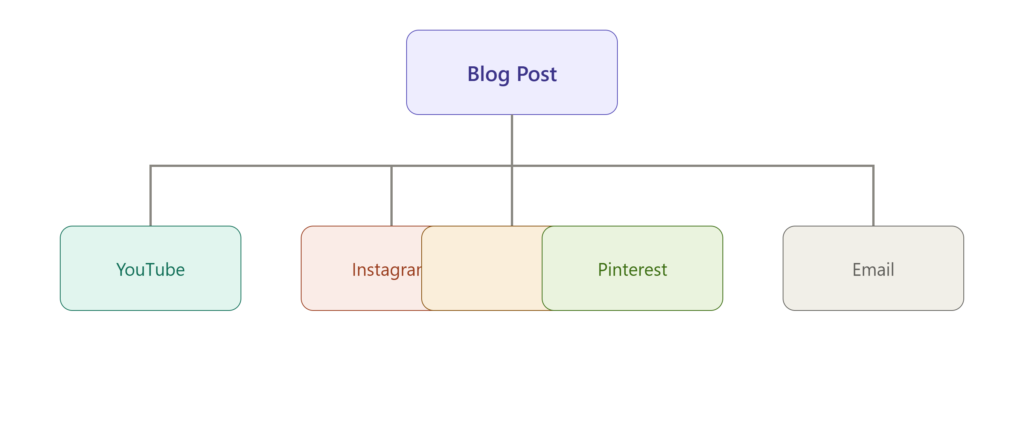
Rather than creating entirely new content for every channel, repurpose your best-performing pieces into multiple formats. A single in-depth blog post can become:
- A YouTube video walking through the same comparison or tutorial in a visual format
- A carousel post or Reel for Instagram, highlighting the key points
- A Pinterest pin graphic linking back to the full article
- An email newsletter segment sent to your subscriber list
- A short thread or post shared in relevant forums or communities
This multiplies your traffic-building effort without multiplying your workload proportionally, and it also reinforces your message across multiple touchpoints, which tends to increase overall conversion rates — a reader who sees the same recommendation across two or three different platforms is more likely to trust and act on it than one who sees it only once.
Strategy 10: Guest Posting and Strategic Collaborations
Writing guest posts for established sites in your niche, or collaborating with other creators, exposes your content and affiliate links to an entirely new, pre-built audience. This is particularly valuable for newer sites still building their own organic traffic base and looking for a faster way to reach engaged readers.
Effective approaches include:
- Reaching out to complementary (not directly competing) creators for cross-promotion opportunities that benefit both audiences.
- Guest posting on established blogs in your niche with a link back to your own relevant content, ideally where it fits naturally rather than feeling forced.
- Participating in podcast interviews or roundup articles where your specific expertise fits naturally into the conversation.
- Offering to contribute expert quotes or data to journalists and bloggers covering your niche, which can lead to valuable backlinks and referral traffic.
While this strategy takes more relationship-building effort than simply publishing your own content, it often produces some of the highest-quality, highest-trust traffic of any channel, since it comes with an implicit endorsement from the host or collaborator that a cold visitor wouldn’t otherwise have.
How Long Each Channel Takes to Show Results
Setting realistic expectations for each channel helps you avoid abandoning a strategy before it’s had a fair chance to work.
Fast but temporary (days to weeks): Paid ads, TikTok, Instagram Reels — traffic can arrive almost immediately, but it typically requires ongoing posting or spending to maintain.
Medium-term (1–3 months): Email marketing, forums and communities, guest posting — these build steadily as your list, reputation, and relationships grow.
Slow but compounding (3–6+ months): SEO and YouTube — these take the longest to gain traction, but once established, they tend to require the least ongoing effort to maintain relative to the traffic they produce.
A balanced traffic strategy typically combines at least one channel from each category — something fast to generate early momentum, something medium-term to build a sustainable audience, and something slow-but-compounding to secure your long-term foundation.
Which Channels Fit Which Niches Best
Not every strategy fits every niche equally well. Matching your channel choice to your niche type saves months of effort spent on a platform that was never going to work for your audience in the first place.
- Visual, lifestyle niches (home decor, fashion, food, weddings, DIY) tend to perform best on Pinterest and Instagram, where the visual nature of the products themselves drives engagement.
- Tech, software, and gadget niches tend to perform best on YouTube and SEO, where detailed comparisons and demonstrations carry real weight with buyers doing careful research.
- Finance, B2B, and professional niches tend to perform best through SEO, email marketing, and guest posting, where trust and credibility matter more than visual appeal.
- Gaming and entertainment niches tend to perform best on YouTube and TikTok, where community and personality-driven content thrives.
- Health and wellness niches tend to perform well across nearly all channels, but SEO and Pinterest in particular benefit from the naturally high, ongoing search demand in this space.
Use this as a starting filter when deciding which two or three channels from this guide deserve your initial focus, rather than trying to be active everywhere at once.
Building a 90-Day Traffic Action Plan
Knowing the strategies is one thing — actually applying them in a structured order is what produces results. Here’s a simple 90-day framework to help you get started without feeling overwhelmed by all 10 strategies at once.
Days 1–30: Foundation Focus entirely on your primary long-term channel — usually SEO. Publish 4–8 well-researched, keyword-targeted articles, set up Google Search Console and Analytics, and start building a Pinterest presence in parallel by creating pins for each new article as you publish it.
Days 31–60: Expansion Add a second active channel based on your niche — YouTube for product-heavy niches, or Instagram/TikTok for visually engaging ones. Begin building your email list by adding a simple lead magnet to your highest-traffic pages, and start repurposing your best-performing articles into short-form content for whichever platform you’ve added.
Days 61–90: Optimization Review your analytics to identify which channel and which specific pieces of content are driving the most engagement and clicks. Double down on what’s working, cut or adjust what isn’t, and consider testing a small paid ad budget to validate your best-converting content before scaling it further with organic effort.
By day 90, you won’t have mastered every strategy in this guide — and you shouldn’t try to. You’ll have a clearer, data-backed picture of which two or three channels genuinely fit your niche and your strengths, which is far more valuable than spreading thin effort across all ten from day one.
Common Traffic-Building Mistakes to Avoid
- Relying on a single traffic source. If your only channel is Pinterest, or your only channel is SEO, an algorithm change or ranking drop can wipe out your income overnight. Diversify across at least two or three channels to protect against this risk.
- Posting inconsistently. Sporadic bursts of activity followed by long silences perform far worse than steady, predictable publishing across any platform, since most algorithms favor accounts that show consistent, ongoing activity.
- Ignoring analytics. Without tracking which channels and which pieces of content actually drive clicks and conversions, you can’t know where to focus your limited time and effort going forward.
- Chasing every new platform. Spreading yourself across too many channels at once usually means doing all of them poorly. Master one or two before adding more to your workflow.
- Promoting without providing value first. Content that feels like a pure sales pitch, without genuinely helpful information, tends to convert worse and get less organic reach or engagement.
- Ignoring platform-specific best practices. What works on Pinterest doesn’t work identically on TikTok. Adapt your content format and tone to each platform rather than copy-pasting the same approach everywhere.
- Giving up too early. Most traffic channels, especially SEO and YouTube, take months to build real momentum. Abandoning a channel after a few weeks rarely gives it a fair chance to prove itself.

Tools to Track and Grow Your Traffic
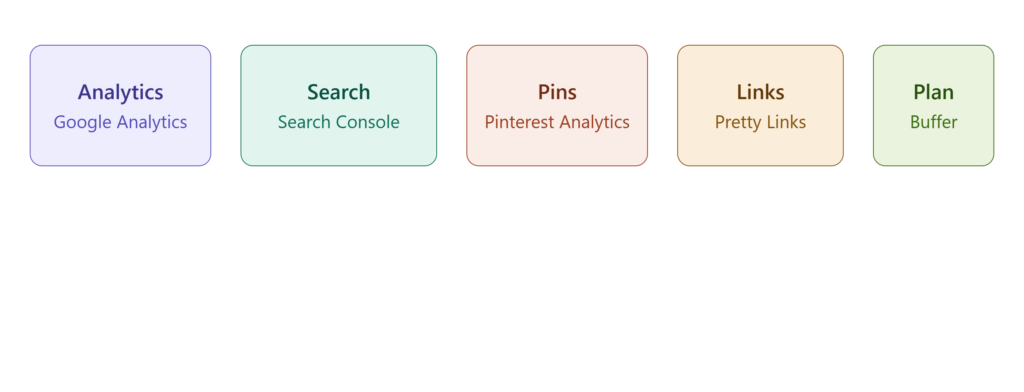
- Google Analytics – Track visitor numbers, sources, and behavior across your entire site, including which pages drive the most engagement.
- Google Search Console – Monitor your search rankings, click-through rates, and identify new keyword opportunities based on what’s already bringing in impressions.
- Pinterest Analytics – See which pins are driving the most engagement and clicks, so you can create more of what’s already working.
- Bitly or Pretty Links – Shorten and track clicks on your affiliate links across every channel, giving you a clear picture of which platforms are actually converting.
- Later or Buffer – Schedule and plan content consistently across multiple social platforms without needing to post manually every single day.
Frequently Asked Questions (FAQ)
1. Which traffic source is best for affiliate marketing beginners?
SEO and Pinterest are generally the most beginner-friendly, since both are free and don’t require an existing following, though both take a few months to build meaningful momentum before results become consistent.
2. How long does it take to see real traffic results?
SEO and YouTube often take 3–6 months to show consistent results, while Pinterest and social media can show faster initial traction, sometimes within a few weeks of consistent posting.
3. Should I focus on one traffic channel or several?
Start with one or two channels that best match your niche and content format, master them, then expand into additional channels once your first ones are producing consistent, reliable results.
4. Is paid traffic worth it for affiliate marketing?
It can be, especially for testing offers quickly, but it requires budget and ongoing management, and traffic stops the moment you stop paying — so it works best alongside organic strategies, not as a full replacement for them.
5. Do I need a large following to drive affiliate traffic?
No. SEO, Pinterest, and email marketing can all generate meaningful traffic without a large existing audience, since they rely on search behavior and opt-in interest rather than follower counts or algorithm favor.
6. How often should I post to grow traffic consistently?
Consistency matters more than frequency. Publishing one high-quality piece per week, every week, generally outperforms sporadic bursts of five posts followed by weeks of silence in between.
7. What’s the biggest traffic mistake affiliate marketers make?
Relying entirely on a single channel. When that channel changes its algorithm, gets penalized, or simply declines in relevance, income can disappear overnight — diversification is what protects against that risk.
Conclusion
Driving traffic to your affiliate links isn’t about picking one “best” channel — it’s about matching the right strategies to your niche, your content format, and your audience’s habits, then applying them consistently over time. SEO and Pinterest offer strong long-term, low-cost traffic; YouTube and email build trust and control; social media and paid ads offer speed and testing opportunities; and forums, repurposing, and collaborations extend your reach even further into audiences you couldn’t otherwise access.
Start with one or two strategies that fit your niche best, master them, and expand from there. Traffic-building compounds — the effort you put in today keeps paying off months and even years down the line, long after the initial work is done.
Ready to put these strategies into action? Explore more in-depth guides at [ezmakaffiliates.com].
Want to choose a profitable niche? Read our complete guide before you start building your affiliate website. https://ezmakaffiliates.com/how-to-choose-a-profitable-affiliate-marketing-niche/
Don’t miss our newest affiliate marketing tips, SEO guides, and online income strategies. Subscribe to our newsletter and get notified whenever we publish a new article.


One Response